Rádiem: Meaning, History, and the Evolution of Radio Communication
Rádiem is a term derived from the Czech language, meaning “by radio” or “through radio.” It represents one of the most transformative inventions in human history—the radio, a medium that revolutionized communication, entertainment, and global connectivity. From its early scientific discoveries to its modern digital evolution, rádiem symbolizes the power of sound waves to bridge distances and connect people across the world. This article explores the meaning, history, and technological development of rádiem, examining how radio communication has shaped societies, influenced culture, and continues to evolve in the digital age.
1. The Meaning and Linguistic Origin of Rádiem
The word “rádiem” originates from the Czech language, where it is the instrumental form of “rádio,” meaning “radio.” Linguistically, it translates to “by means of radio” or “through radio.” This form is often used to describe communication or transmission that occurs via radio waves. The term reflects the essence of wireless communication—transmitting information through electromagnetic waves without physical connections. In a broader sense, rádiem represents the concept of connectivity, innovation, and the human desire to communicate beyond boundaries. Its linguistic roots highlight how deeply radio technology has influenced global languages and cultures.
2. The Invention of Radio: The Birth of Rádiem Communication
The story of rádiem begins in the late 19th century with the groundbreaking discoveries of scientists like James Clerk Maxwell, Heinrich Hertz, and Guglielmo Marconi. Maxwell’s theoretical work on electromagnetic waves laid the foundation for wireless communication, while Hertz’s experiments proved their existence. Marconi later built upon these discoveries to create the first practical radio transmission system in the 1890s. His successful wireless telegraphy marked the birth of rádiem communication—sending messages through the air without wires. This invention transformed global communication, enabling ships, military forces, and eventually civilians to exchange information instantly across vast distances.
3. The Golden Age of Rádiem: Broadcasting and Cultural Impact
The early 20th century marked the golden age of rádiem, as radio broadcasting became a dominant form of mass communication. During this period, radio stations emerged worldwide, bringing news, music, and entertainment directly into people’s homes. Rádiem became a unifying force, connecting communities and shaping public opinion. It played a crucial role during major historical events, such as World War II, when radio broadcasts were used for news updates, propaganda, and morale-building. Beyond politics, rádiem also transformed culture—introducing new music genres, radio dramas, and live performances that captivated audiences. The intimacy of radio created a personal connection between broadcasters and listeners, making it one of the most influential media of the 20th century.
4. The Science Behind Rádiem: How Radio Waves Work
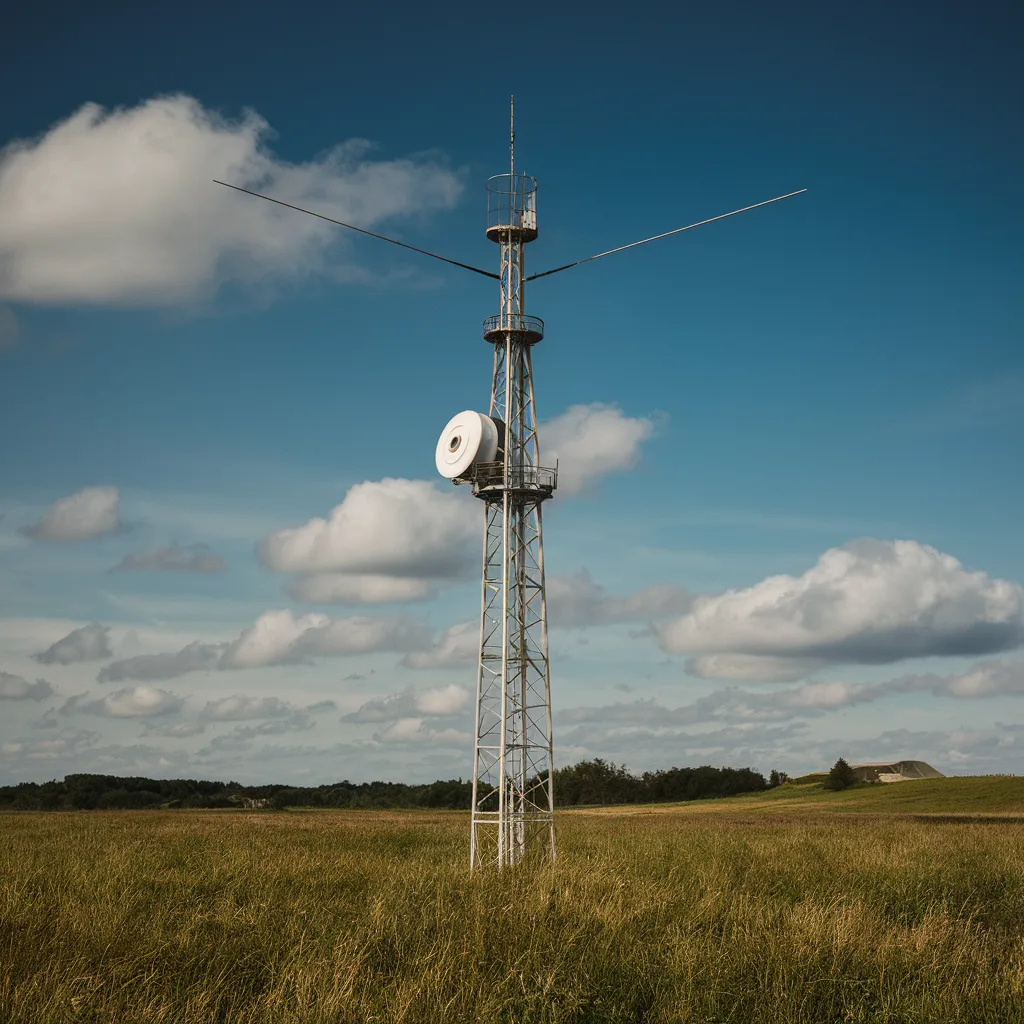
Rádiem communication operates through the transmission of electromagnetic waves, which travel through the air at the speed of light. These waves are generated by oscillating electric currents in a transmitter and received by an antenna connected to a receiver. The receiver decodes the signals into sound or data, allowing information to be heard or displayed. Different frequencies are used for various purposes—AM (Amplitude Modulation) for long-distance broadcasting, FM (Frequency Modulation) for high-quality sound, and shortwave for international communication. Modern rádiem technology also includes digital radio and satellite systems, which provide clearer signals and broader coverage. The science behind rádiem demonstrates the remarkable ability of physics and engineering to turn invisible waves into powerful tools of communication.
5. Rádiem in the Modern World: From Analog to Digital
In the 21st century, rádiem has evolved far beyond its analog origins. The rise of digital technology has transformed how radio content is produced, transmitted, and consumed. Internet radio, podcasts, and streaming platforms have expanded the reach of rádiem, allowing listeners to access content from anywhere in the world. Digital Audio Broadcasting (DAB) and satellite radio have improved sound quality and accessibility, while mobile apps have made radio more interactive and personalized. Despite competition from television and social media, rádiem remains a vital medium for news, music, and education. Its adaptability ensures that radio continues to thrive in the digital era, maintaining its role as a trusted and accessible source of information.
6. The Cultural and Social Importance of Rádiem
Rádiem has always been more than just a technology—it is a cultural phenomenon that has shaped societies and influenced generations. In many countries, radio served as the first medium to bring people together across linguistic, social, and political divides. It gave a voice to communities, promoted local music, and preserved cultural heritage. Even today, rádiem plays a crucial role in education, emergency communication, and public awareness campaigns. In remote or developing regions, radio remains one of the most reliable and affordable means of communication. Its ability to reach millions simultaneously makes it a powerful tool for social change and cultural preservation.
7. The Future of Rádiem: Innovation and Integration
The future of rádiem lies in innovation and integration with emerging technologies. Artificial intelligence, 5G networks, and smart devices are redefining how radio content is created and delivered. Voice assistants and smart speakers have revived interest in audio-based media, while AI-driven personalization tailors content to individual preferences. Hybrid radio systems that combine traditional broadcasting with internet connectivity are becoming increasingly popular, offering seamless transitions between FM, DAB, and online streams. As technology continues to evolve, rádiem will remain a dynamic and adaptive medium—one that continues to inform, entertain, and connect people across the globe.
Conclusion
Rádiem represents one of humanity’s greatest achievements in communication. From its scientific origins to its cultural and technological evolution, it has transformed how people share information and experience the world. The journey of rádiem—from early wireless experiments to modern digital broadcasting—reflects the power of innovation and the enduring human need for connection. Even in an age dominated by visual media, radio continues to hold a special place in society, offering authenticity, immediacy, and intimacy that few other mediums can match. As technology advances, rádiem will continue to evolve, ensuring that the spirit of communication through sound remains alive for generations to come.
FAQs
1. What does the word “rádiem” mean?
Rádiem is a Czech term meaning “by radio” or “through radio,” referring to communication or transmission via radio waves.
2. Who invented radio communication?
Radio communication was developed through the combined efforts of scientists such as James Clerk Maxwell, Heinrich Hertz, and Guglielmo Marconi, who created the first practical wireless telegraphy system.
3. How does rádiem communication work?
Rádiem communication works by transmitting electromagnetic waves through the air. A transmitter sends signals that are received and decoded by a receiver, converting them into sound or data.
4. What was the golden age of rádiem?
The golden age of rádiem occurred in the early to mid-20th century, when radio broadcasting became the primary source of news, entertainment, and cultural exchange worldwide.
5. How has rádiem evolved in the digital age?
Rádiem has evolved through digital broadcasting, internet radio, and streaming platforms, offering higher sound quality, global accessibility, and personalized content.
6. Why is rádiem still important today?
Rádiem remains important because it provides accessible, real-time information, especially in emergencies and remote areas. It also continues to serve as a platform for culture, education, and entertainment.
7. What is the future of rádiem?
The future of rádiem lies in integrating traditional broadcasting with digital technologies such as AI, 5G, and smart devices, ensuring that radio remains relevant and innovative in the modern world.
8. How has rádiem influenced culture?
Rádiem has influenced culture by promoting music, storytelling, and public discourse. It has connected communities, preserved traditions, and shaped public opinion for over a century.